



The turkey gets the planning and the pie gets the applause. The coffee, poured last, is what guests are still holding when they decide how the evening went.
It is also the part of a holiday dinner most likely to be an afterthought: brewed too early, left to scorch, served with one lonely carton of milk. Getting it right takes about fifteen minutes and almost no skill. It mostly takes good timing.
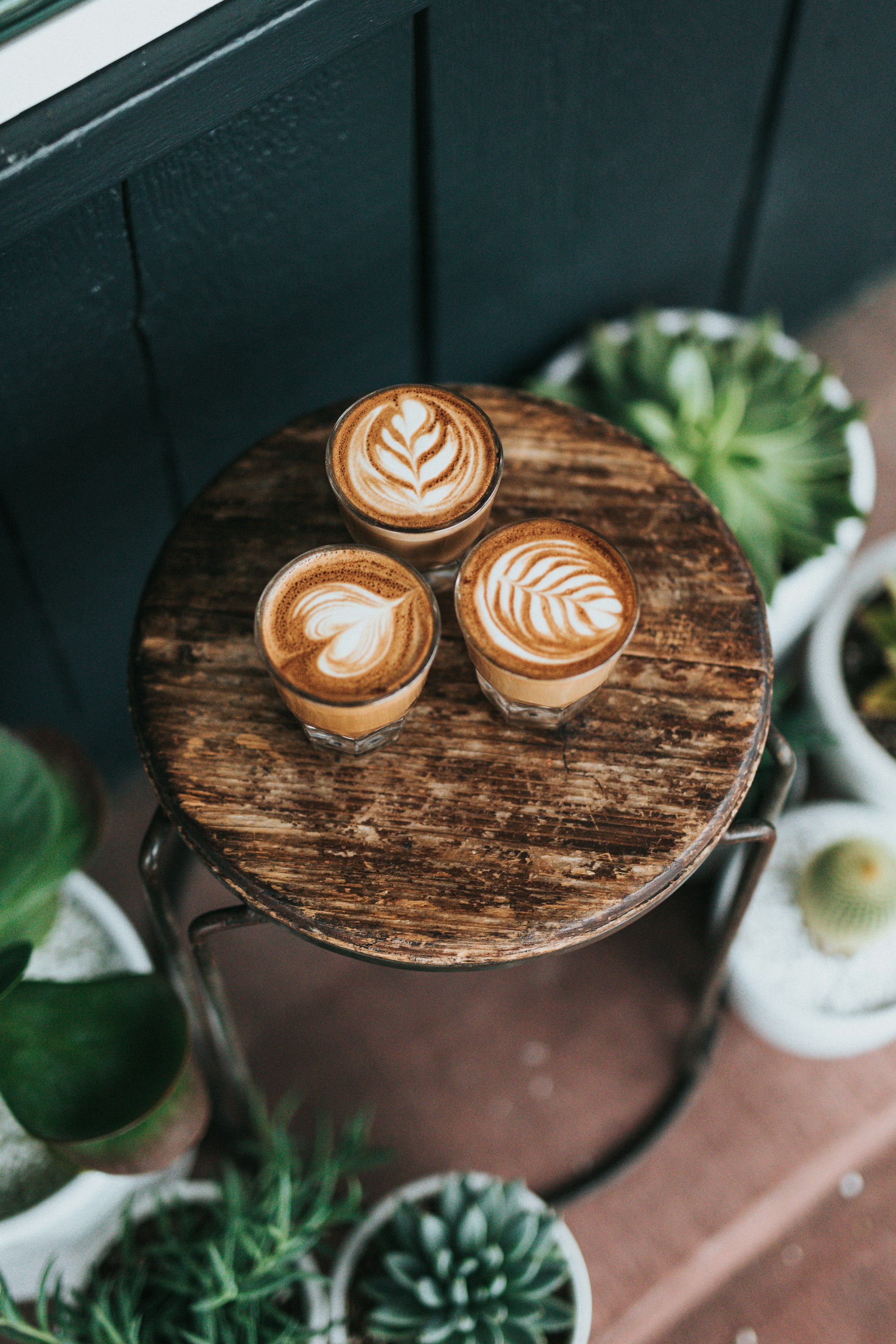
Brew it late, not early
On a day built around make-ahead dishes, coffee is the exception. Writing for Daily Meal, Tom Maxwell warns that a pot left sitting on heat, even low heat, loses its fresh flavor and ends up tasting burned. The aromas that make coffee smell like coffee are volatile, he explains, and they do not wait around.
The good news is that you do not need a head start. By Maxwell's count, two pots at about five minutes a batch, poured into a carafe, take no more than twelve to fifteen minutes. That is roughly how long it takes to clear the dinner plates and reset the table for dessert.
So set up before anyone arrives: water in the reservoir, filter in the basket, beans measured. The National Coffee Association says grinding whole beans immediately before brewing gives you maximum freshness, and it recommends a medium grind, about the texture of kosher salt, for a drip machine. When the forks go down, all you do is grind and press a button.
Do the math before the doorbell rings
The National Coffee Association's "Golden Ratio" for drip coffee is 1 to 2 tablespoons of ground coffee for every 6 ounces of water. Notice the unit. The ratio is built on 6 ounces of water, not on however much your favorite mug holds, so measure the water and scale the coffee to match. A pot made with 60 ounces of water calls for 10 to 20 tablespoons of grounds, depending on how strong the table likes it.
Use the machine you know. A holiday dinner is no night for a debut. The Nibble, sharing tips from Eight O'Clock Coffee, advises testing any new coffee maker or gadget long before company arrives.
If a French press is the house method, it can handle a crowd with two small adjustments. Blue Bottle Coffee suggests a grind just slightly coarser than usual for a full eight-cup press, a brew time of four minutes, and a trial run the day before to remove the guesswork.
Get it off the heat
Once the coffee is brewed, the warming plate is not your friend. Breville's coffee guide says plainly that a thermal carafe beats a glass pot on a warming plate, which can burn the coffee or let it go lukewarm. The Nibble makes the same case against big urns, which may scorch the brew as it sits, and notes that a thermal carafe keeps coffee hot and fresh for up to two hours.
One small step makes the carafe work harder. Hamilton Beach recommends rinsing a thermal carafe with hot water right before brewing so the steel is already warm and the coffee holds its temperature longer. Blue Bottle gives the same advice for a French press or Chemex.
A carafe also solves the hosting problem. It goes to the table, guests pour their own, and you get to sit down. If a cup goes cold, pour a fresh one. Breville cautions that microwaving cold coffee can bring out unpleasant flavors.
Set the tray like you mean it
Not everyone takes coffee the same way, and not everyone wants caffeine at the end of a long evening. The Nibble's advice is simple: don't forget the decaf. A second carafe, clearly labeled, is a small courtesy that guests notice.
For milk, The Nibble suggests that if you only want to offer two choices, make them half-and-half and a lactose-free, fat-free milk. Add sugar, then borrow a coffee-shop touch with shakers of cinnamon, cocoa and nutmeg. They dress up a cup with no alcohol at all. For adults who want something stronger, the same guide suggests setting out a liqueur so each guest can add a spoonful, or not.
One more idea from The Nibble is worth stealing: there is no rule that coffee waits for dessert. Offer it when guests arrive, and keep a few lidded cups on hand for anyone facing a long drive home.
How does coffee get served at your table: mugs or the good cups and saucers? Share it in the comments.
Sources
- National Coffee Association: Drip Coffee
- Daily Meal: The Coffee Brewing Blunder To Avoid When Hosting A Gathering
- The Nibble: Thanksgiving Coffee, Christmas Coffee (tips from Eight O'Clock Coffee)
- Blue Bottle Coffee: How to Brew Coffee for a Crowd
- Breville: How to Keep Coffee Warm
- Hamilton Beach: 8 Cup Programmable Coffee Maker with Thermal Carafe (product page)
Thank you for reading! -Edie O.
Edie O.
Hi, I am Edie O! The creator behind 'Edieoeats', a blog created to share recipes that I have created or remixed. Also, I am showcasing my talents as a food photographer. I love taking photos of different dishes and bringing them to life with minimal styling.
Comment
Did you love this? Let us know!